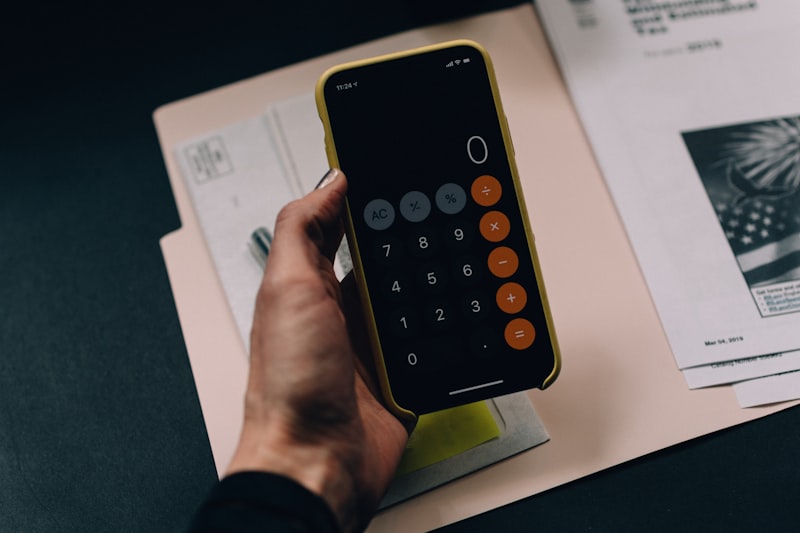
You’ve seen the ritual a hundred times in Nigerian back offices. An entrepreneur finishes a major project. They open an old, battered Excel template—the one titled Invoice_Template_V4_Final_Final.xlsx. They manually type in the client’s details, calculate the 7.5% VAT with a phone calculator, export it as a PDF, and attach it to a WhatsApp message.
For a long time, this was standard operating procedure. It felt productive. It felt like “hustling.” But under the hood, this informal system was slowly suffocating growth.
Today, the landscape is shifting radically. With the Federal Inland Revenue Service (FIRS) mandating e-invoicing by 2026, the era of the manual Excel invoice is drawing to a definitive close. If you are still relying on static documents to run your cash flow, you aren’t just inefficient—you are building a regulatory liability.
The Hidden Costs of Manual Invoicing
The problem with manual invoicing isn’t just that it’s slow; it’s that it fundamentally lacks intelligence. A PDF sent via email is a “dead document.” It cannot update its status, it cannot track if it has been opened, and it certainly cannot reconcile itself when a payment drops.
Consider the operational friction:
- Reconciliation Hell: When a client pays an invoice, your accountant (or worse, you) must manually match a GTBank alert to a specific invoice number. In a high-volume business, this creates a terrifying backlog of unallocated funds.
- Cashflow Velocity: A manual invoice requires the client to context-switch. They have to open their banking app, input your account number, and manually authorize the transfer. Every point of friction increases the time to get paid.
- The WhatsApp Blackhole: Sending invoices via WhatsApp might seem fast, but it places your financial request in the same inbox as family memes and group chat spam. It strips the transaction of institutional authority.
Enter E-Invoicing: The Autonomous Back-Office
An e-invoice is not merely a digital version of a paper invoice. It is an intelligent financial instrument. When you generate an invoice through an ecosystem like InvoiceApp.ng, the document becomes dynamic.
What does this mean in practice?
First, it implies built-in payment architecture. An e-invoice includes an embedded “Pay Now” button linked directly to gateways like Paystack or Flutterwave. The client doesn’t need to manually type an account number; they simply click and pay. This frictionless experience drastically reduces average payment times.
Second, it offers automated lifecycle management. The system knows exactly when an invoice is viewed. If the due date passes, it automatically dispatches a polite reminder. It removes the emotional burden of debt collection from the founder’s shoulders.
Finally, and most crucially for Nigerian businesses, an e-invoice is audit-ready by default. The system automatically calculates precise VAT and withholding tax, formatting the data cleanly. When the FIRS comes knocking—or when the 2026 mandate takes full effect—your books are pristine, structured, and compliant.
The Regulatory Shift: Why 2026 Changes Everything
The FIRS is aggressively transitioning towards a digitized tax administration. The impending e-invoicing mandate means that businesses will soon be required to issue invoices through systems integrated directly with the tax authority’s portal.
This is not a suggestion; it is an infrastructural overhaul. Businesses that wait until December 2025 to figure out their invoicing software will face a chaotic, expensive migration. Those who transition now—adopting platforms that are already building towards FIRS compliance—will turn a regulatory requirement into a massive operational advantage.
Stop Managing Paper. Start Managing Operations.
The most expensive resource a founder has is focus. Every hour spent manually formatting an Excel document or cross-referencing bank alerts is an hour stolen from strategy, sales, and product development.
Manual invoicing is a legacy habit from a time before accessible fintech infrastructure. Today, operating a business on Excel is a choice to remain slow. By adopting e-invoicing platforms like InvoiceApp.ng, you aren’t just changing how you bill clients; you are upgrading your entire financial operating system.
The future of African business is automated, compliant, and frictionless. Make sure your business is part of it.
FAQ
Q: What is the main difference between a manual invoice and an e-invoice?
A: A manual invoice (like a PDF or Word doc) is a static document. An e-invoice is a dynamic, trackable digital record that often includes integrated payment links, automated reminders, and built-in tax calculations.
Q: Why is e-invoicing becoming mandatory in Nigeria?
A: The FIRS is implementing e-invoicing to modernize tax collection, reduce tax evasion, and provide real-time visibility into commercial transactions across the country, aiming for full implementation by 2026.
Q: Can I still use Excel for my business invoices?
A: While you can technically use it today, it is highly inefficient and creates reconciliation headaches. By 2026, using non-compliant manual systems will likely put you in breach of FIRS tax regulations.
Q: Does InvoiceApp.ng help with this transition?
A: Absolutely. InvoiceApp.ng is designed to replace manual processes entirely, providing structured, payment-enabled e-invoices that help future-proof your business operations.


