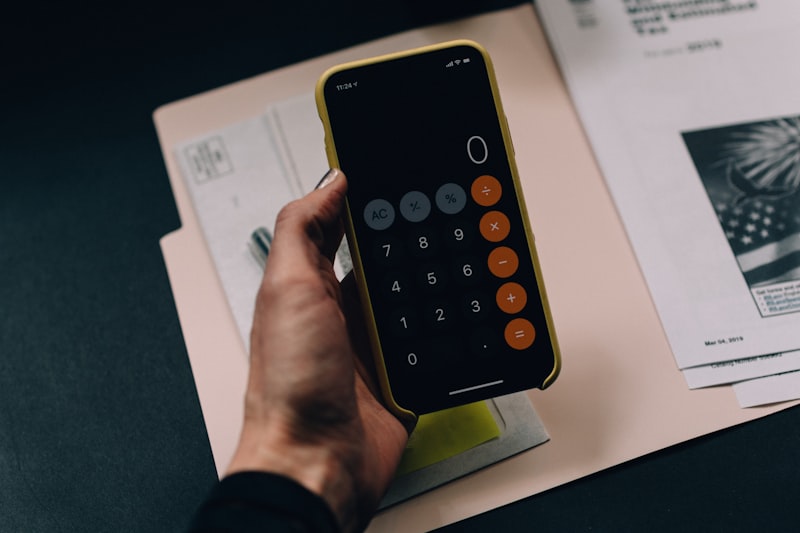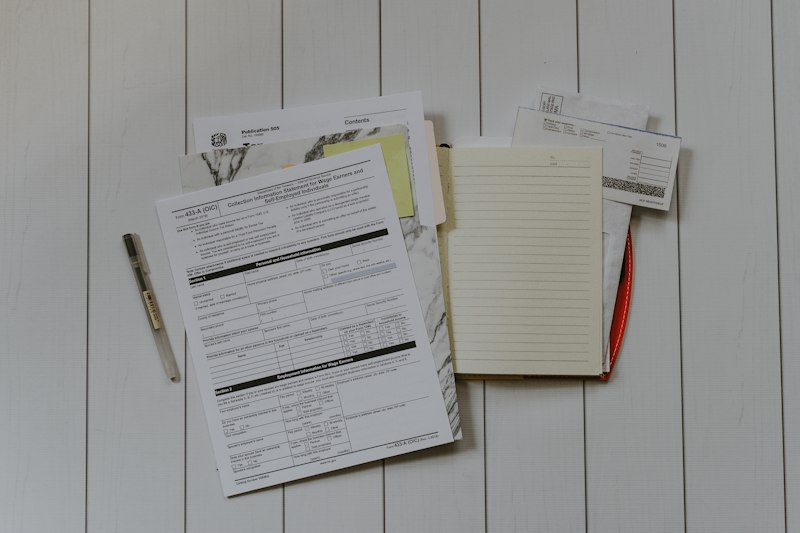
You’ve just concluded a high-stakes negotiation with a corporate client in Lagos. They are ready to move forward, but procurement is demanding documentation before releasing the advance payment. You send a standard invoice, and it gets bounced back. Why? Because the service hasn’t been rendered yet, and their accounts team cannot process a final tax invoice without risking compliance issues.
This is where most Nigerian SMEs and freelancers hit a cashflow bottleneck. The missing piece of the puzzle isn’t a better pitch—it’s a Proforma Invoice.
In the Nigerian business ecosystem, where trust is low and upfront commitments are often required to initiate work, understanding how and when to use a proforma invoice is a superpower. It bridges the gap between an informal quote and a final, legally binding tax invoice. Yet, countless businesses still use standard invoices prematurely, creating friction with clients, messing up their accounting, and complicating their VAT compliance.
What is a Proforma Invoice?
A proforma invoice is a preliminary bill of sale sent to buyers in advance of a shipment or delivery of goods and services. Think of it as a “good faith” agreement. It outlines the exact deliverables, costs, and terms of the transaction before the final work is executed.
Unlike a final tax invoice, a proforma invoice is not a demand for payment that gets recorded as accounts receivable in a general ledger. It is an operational document designed to secure commitment, facilitate advance payments, or clear customs for physical goods.
Proforma Invoice vs. Quotation vs. Final Invoice
To run a tight back-office, you must stop treating these documents interchangeably:
- Quotation: An initial estimate. Prices might fluctuate. It says, “Here is what this might cost.”
- Proforma Invoice: A confirmed estimate. Prices are fixed unless scope changes. It says, “Here is exactly what this will cost, please commit so we can begin.”
- Final Invoice: A legal demand for payment. The service is done (or milestones reached). It says, “You owe us this money now.”
Why Nigerian Businesses Need Proforma Invoices
In Nigeria’s fast-moving, high-friction commerce environment, proforma invoices serve specific, critical functions:
1. Securing Mobilization and Advance Payments
Whether you run an agency in Yaba or a construction firm in Abuja, starting work without a mobilization fee is a cashflow death trap. Corporate clients cannot disburse funds against a mere “quote” or a final “invoice” for incomplete work. A proforma invoice provides the exact financial documentation procurement teams need to authorize an advance payment without violating internal controls.
2. International Trade and Customs (Form M)
If you are importing goods into Nigeria, the Nigerian Customs Service and your bank will require a proforma invoice to open a Letter of Credit or process a Form M. The Central Bank of Nigeria (CBN) relies on this document to track FX allocation for imports. A poorly formatted proforma invoice here means your goods are stuck at Apapa port.
3. VAT and FIRS Compliance (The 2026 Shift)
As the Federal Inland Revenue Service (FIRS) rolls out mandatory e-invoicing for 2026, the timeline of when a tax invoice is generated becomes legally critical. If you issue a final invoice to request an advance payment, FIRS assumes the transaction is complete, making you immediately liable for the 7.5% VAT—even if the client hasn’t paid you yet! Using a proforma invoice delays the tax liability until the final invoice is officially issued upon job completion.
What Must Be Included in a Proforma Invoice?
To prevent your document from being rejected by sharp procurement teams, ensure it includes:
- The Word “Proforma”: It must clearly say “Proforma Invoice” at the top. Do not leave room for ambiguity.
- Issue Date and Expiry Date: Because inflation and FX rates in Nigeria can shift rapidly, clearly state how long the pricing is valid (e.g., “Valid for 14 days”).
- Unique Reference Number: Use a logical numbering system (e.g., PRO-2024-001) separate from your final tax invoice numbers.
- Buyer and Seller Details: Full company names, addresses, and TINs (Tax Identification Numbers).
- Detailed Line Items: Specific descriptions, quantities, unit prices, and total amounts.
- Terms of Sale and Payment: Explicitly state the required advance payment percentage (e.g., “70% upfront, 30% on completion”).
- Bank Details: Clearly list your corporate Naira or USD account details to eliminate back-and-forth WhatsApp messages.
The Fast-Track: Building Systems with InvoiceApp.ng
Manually creating proforma invoices in Word or Excel is slow, prone to errors, and looks amateurish to premium clients. More importantly, when the client eventually approves the work, you have to manually type out a final invoice all over again.
Smart operators use InvoiceApp.ng to automate this workflow. With InvoiceApp, you can generate a professional, localized proforma invoice in seconds. When the client approves it and pays the mobilization fee, you can convert that exact proforma into a final tax invoice with a single click. No data entry, no duplicated effort, and zero compliance risks.
InvoiceApp also automatically attaches your secure payment links (supporting Paystack, Flutterwave, and more), allowing clients to pay the advance fee immediately from the document. It’s not just about looking professional; it’s about increasing the velocity of capital in your business.
Final Thoughts
In a market where trust is expensive and liquidity is everything, your financial documentation is your first line of defense. Stop using final invoices to ask for advance payments. Adopt proforma invoices to protect your VAT liabilities, satisfy corporate procurement, and position your business as a sophisticated operator.
Upgrade your back-office today. Your cashflow will thank you.